
Psychology as an important parameter of a physical injury
A Injury in a person’s life usually causes a series of upheavals in their daily lives.
A series of difficulties in carrying out even simple activities, such as walking or accessing the toilet, significantly affects the behavior, thoughts, mood and psychological state of patients.
The road to recovery often takes several weeks or even months, and this fact extends and magnifies the psychological consequences in the minds of patients.
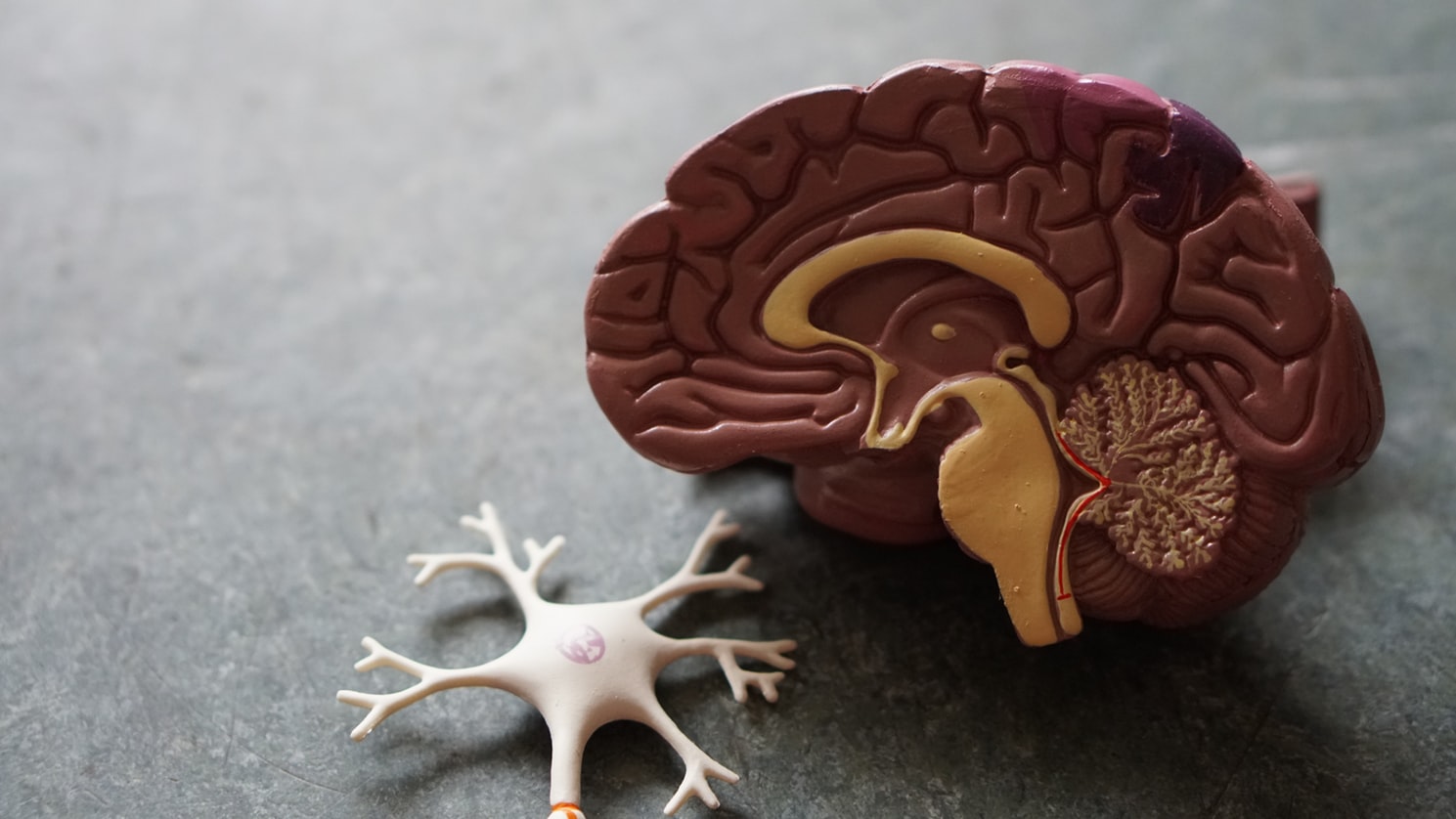
On the other hand, therapists are called upon to restore the musculoskeletal system or the nervous system to pre-traumatic levels of functionality.
Obviously, the therapist, in addition to performing analgesia techniques, rehabilitation techniques, therapeutic exercise, proprioception and ergonomics at the local anatomical level, also has to deal with a “strategist” brain that is diseased.
What are the main signs of negative psychology that the therapist should identify?
As we predicted, an injury, whether it is a simple sprain or a spinal fracture, will cause a series of changes in the person’s daily life.
The factors that can determine the individual’s psychological reaction are literally infinite, although the main ones are found in work, the individual’s general obligations (e.g. athletes, parents), the severity of the injury, the recovery time, and the personality and the psychosynthesis of the individual.

In any case, the levels of anxiety and stress combined with insecurity and some possible financial losses may manifest themselves in the following ways:
- The patient becomes particularly irritable a nd gets irritated even by simple things.
- The patient presents a refusal to accept the situation and tends to dismiss our therapeutic advice
- In other cases the patient gives excessive stretch to the injury
- He feels guilty and constantly blames himself.
- He is quiet and doesn’t want to be in the same space as others
- Signs of depression and negative thinking
- Feeling of social disconnection and marginalization
- Constant “ruminating” on the circumstances of injury and fear of recovery
It is important for the therapist to recognize such signs because if the patient is not helped, the Deterioration of his psychological state may lead to the following behaviors, which certainly do not help the therapeutic plan.
Injury and patient behaviors that affect the therapeutic process
As the therapeutic process progresses towards the more active parts, such as exercise, it requires more and more physical ability and willingness to complete it in the best possible way.
However, the following behaviors may be brake in the effort for faster and more effective recovery.
Lack of motivation and goals
Many times patients are in a hurry to get back to normal and any delay deprives them of the mood and motivation to try. If there is no strong motivation, there is a possibility that the rehabilitation plan will not be carried out correctly or to the maximum.
Frustration, procrastination, and lack of interest are the behaviors that the therapist is expected to address.
Re-injury insecurity
If the injury occurs for the first time, the patient may be in shock and have a insecurity regarding the possibility of re-injury.
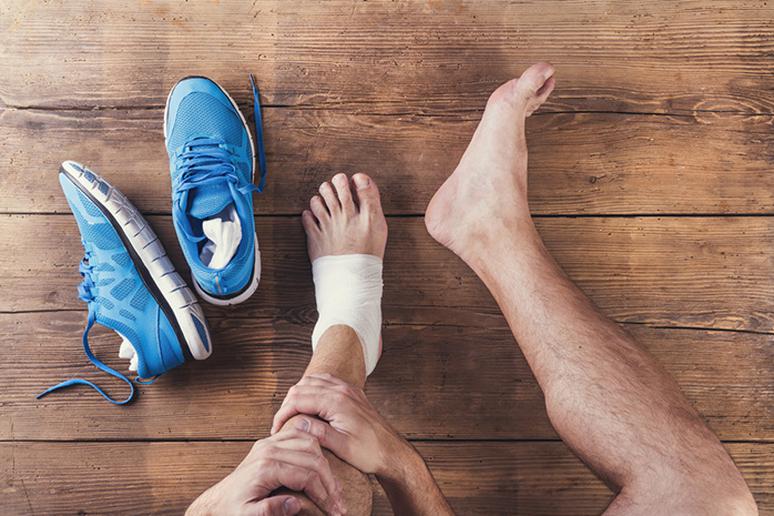
If the injury has reoccurred, this fear of re-injury will develop to a much greater extent. Both cases will face several difficulties in the retraining and reintegration phase.
Some expected phenomena are the intense stress, anger, resignation and pessimism.
Denial of the seriousness or overestimation of the injury
Another common behavior has to do with the person’s refusal to admit the seriousness of their condition. To every attempt by the therapist to explain the seriousness of the injury, the patient reacts with anger, nerves, disdain and indifference.
Many patients show a willingness to “take” the situation into their own hands (e.g., perform an inappropriate movement) and the treatment plan is at risk of being completely derailed since the risk of re-injury lurks.

However, the opposite case where the patient “overinflates” a simple injury is also problematic.
The patient ignores the therapist’s encouragement to move and recover, the treatment plan is delayed, motivation and confidence are lost, and the result is depressive behaviors on the part of the patients.
In both of the above behaviors, overinformation from the internet can play a significantly negative role, something that the therapist must control.
6 ways of psychological support
It goes without saying that if the patient’s behavioral problems are significant, the therapist should collaborate with a specialized professional from the field of mental health.
However, there are some basic principles that can be incorporated into the treatment plan and solve most problems.
Patient education
The patient should not live in ignorance. It is an important responsibility of the therapist to explain everything about the injury.
The method, mechanism, consequences, anatomical function of the injured area, as well as the goal described by the proper functioning of the affected area.

Once the therapist has covered all the questions, he will have achieved a significant degree of prevention of information overload from the internet. The patient will now have a solid picture of the rehabilitation, will know the desired result clearly and will have the right motivation.
Building trust
Build bridges of trust. The most important way is to be approachable.
Listen to patients’ questions, “see” the thoughts hidden behind these questions, and patiently and in detail provide the necessary explanations.

The Anatomy models are an amazing way to explain to patients what they need without “wasting” time.
Don’t forget that in addition to an injury, you also have a brain to manage, which certainly dramatically affects the course of rehabilitation. If the patient feels safe and confident, he will more easily and faithfully implement your treatment plan.
Set goals
The recovery plan is often long and arduous. It is important to “cut” the plan, to set small goals and these should aim for larger results-motivations.

This way the patient will always be active and their interest will be maintained. Present the whole plan from the beginning and if possible set target dates so that the treatment becomes more “adventurous” and the results are rewarding.
The patient’s psychology will be maintained high and the positive energy will remain throughout the recovery.
Inform the immediate family environment
People’s behavior is also greatly influenced by their close family or friend circle. Try to spread the right information and instructions to this circle.
Be clear and strict as many times the fear or insecurity of a relative affects the patient and ultimately the therapeutic outcome.
Of course, if you have already worked properly on the trust and information part, you are essentially shielding the person from inappropriate behaviors or unnecessary information.
Alternative solutions
As we said, the injury and possibly the “loss” of certain activities are at the center of patients’ thoughts.
It would be a great relief if you could suggest alternative solutions and ergonomic adjustments at least for basic daily activities such as dressing, bathing, toileting, etc.
It is equally important to encourage patients to try new, interesting activities that will stimulate their their self-confidence and will decentralize their thinking from “losses”.
For example, you can suggest to an athlete that he read certain psychology books so that he can take advantage of the “lost time” for personal improvement, which will help him when he returns to exercise.
Holistic approach
The times when healthcare professionals (doctors, physiotherapists, etc.) treated the patient as just another “local injury” are gone forever.
During treatment, see the patient as integrated entity.
Talk to him about his concerns, discreetly explore his past, and think about spherical.

Because we should never forget that the injury can be easily healed, but the nervous system and the Brain is a different case and every patient is very different.
Therefore, even 2 seemingly identical injuries may need different treatment and management.
Morochliadis Stefanos
Physiotherapist PT,MT,RFL, Formthotics specialist

