

Oncological management is one of the most well-known causes for triggering lymphedema.
Lymph node dissection is undoubtedly the most traumatic procedure for the lymphatic system.
The next most traumatic intervention is radiotherapy.
The application or not of radiotherapy, the number of radiotherapy sessions as well as their intensity is determined by the specialist physician based on the findings of the malignancy.
The purpose of this treatment is to target cancer cells in and around the tumor area as well as the local lymph nodes responsible for the tumor.
Radiotherapy acts cumulatively and will have an increasing effect on tissues as the number of interventions increases.
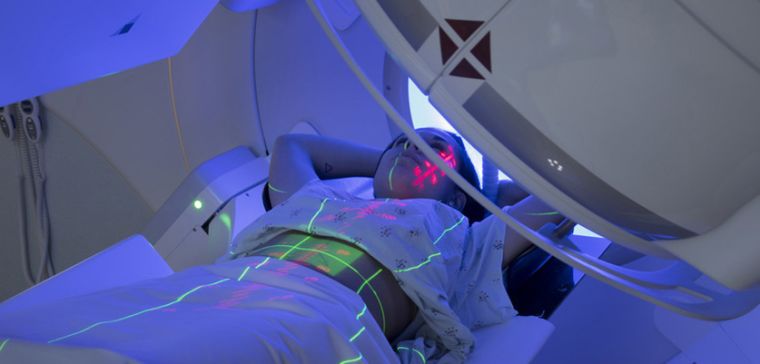
What does the degree of effect of radiotherapy on the lymphatic system depend on?
Side effects from radiotherapy depend on the following factors:
- Number of treatments
The more applications, the greater the effects on the tissues
- Intensity of treatments
The intensity of the sessions also has a proportional relationship with side effects.
- Quality and degree of maintenance of radiotherapy equipment
The quality of the device, its ability for localized application, and its systematic maintenance have been clinically proven to determine the degree of side effects.
- Area to be irradiated
Some areas of the human body, such as the genitals, anus, and cervix, are more sensitive than others.
- Patient’s skin sensitivity
Every person has different skin, color and consequently a different amount of melanin and of course sensitivity.
Patients with high sensitivity to the sun will have proportionally greater sensitivity during the application of radiotherapy.
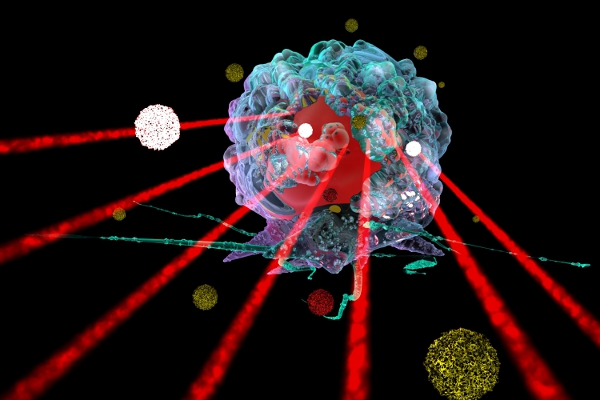
How often will lymphedema be caused by radiation therapy?
It would not be safe to refer to specific percentages, however, clinically, the triggering of lymphedema during or after radiotherapy has been observed several times.
In the event that lymphedema pre-exists, the application of radiotherapy will worsen the problem, as the already damaged lymphatic system will be called upon to manage an additional “trauma”.
Many times, radiation therapy can create a small swelling as the body’s reaction to prolonged radiation, which may not initially be characterized as chronic lymphedema, but may become chronic over the course of treatments due to the cumulative effect of radiation therapy.
For the above reasons, it is important to manage the patient undergoing radiotherapy in a timely manner to avoid or delay the onset of lymphedema.
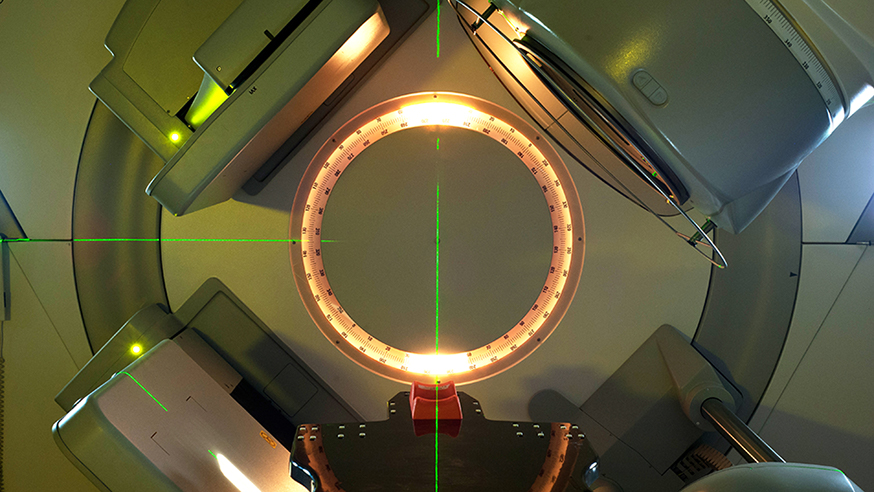
Radiotherapy and Lymphatic System Therapeutic Approach
The main question patients ask is: Is therapeutic intervention allowed during radiotherapy?
Radiotherapy is a special phase in cancer treatment and requires specialization for any therapist who wants to intervene in parallel.
On the other hand, the patient is coming from a painful process, with a lot of psychological pressure, and he certainly would not want additional complications on the road to recovery.
Therefore, therapeutic intervention must be targeted and properly studied.
First of all, the therapist should avoid contact with the irradiated area because this will remove the oiliness of the skin and there is a possibility of increasing local irritation.
Irradiated skin needs care with special products following the guidance of the responsible physician.
The ideal therapeutic intervention is the application of manual lymphatic drainage (MLD)

What is the expected effect of the therapeutic intervention?
The MLD method has the potential to cause positive reaction of the lymphatic system to the area being irradiated without the therapist needing to touch it.
Using special techniques, the therapist activates the lymphatic system in healthy areas and drains the edema around the irradiated area.
In this way, we achieve significant relief and decongestion of the lymphatic system, without any side effects.
In addition to decongesting edema, Manual Lymphatic Drainage can enhance the regeneration of the lymphatic system after “injury” due to radiation.
At the same time, a very important action is the reduction of local edema so that the skin can cope better until the end of the treatments.
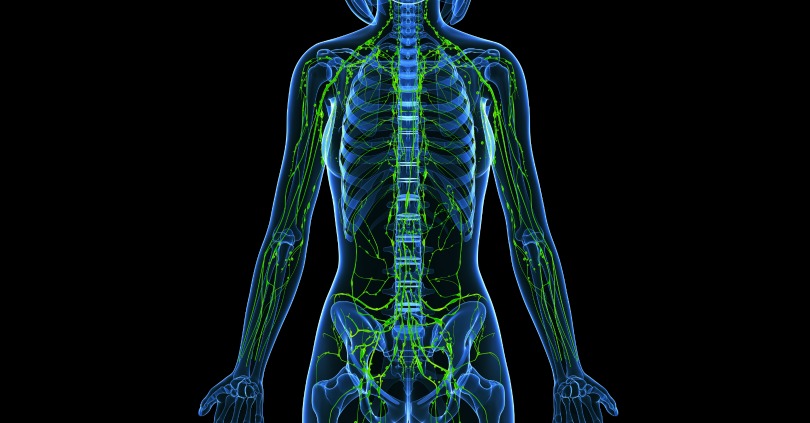
When and how frequent are the treatments?
Treatments can begin to be applied from the 3rd week until the end of the radiotherapy process.
The recommended frequency is 1-2 times a week, depending on the response of the local lymphatic network.
As is easily understood, the intervention parallel to radiotherapy has both preventive and therapeutic value.
Avoiding complications and additional problems, after the already painful process of oncological intervention, is imperative.
It is not necessary to wait for symptoms to begin a therapeutic intervention because prevention is ultimately the best treatment!
Read more about lymphedema in oncology patients here: https://bioanadrasis.com/lymphedema-cancer-therapy/
Triantafyllou Euripides
Physiotherapist MSc, MLD Instructor

