
What really is back pain?
Low back pain is one of the most common reasons for seeing a doctor regarding musculoskeletal dysfunctions. It comes from the words οσφύ (waist) and άλγος (pain) and indicates the presence of pain in the lumbar region. without specifying the cause and the mechanism of causing it.
It is therefore a diagnosis of a symptom and not of a cause and offers little to the patient in understanding the nature of their problem.
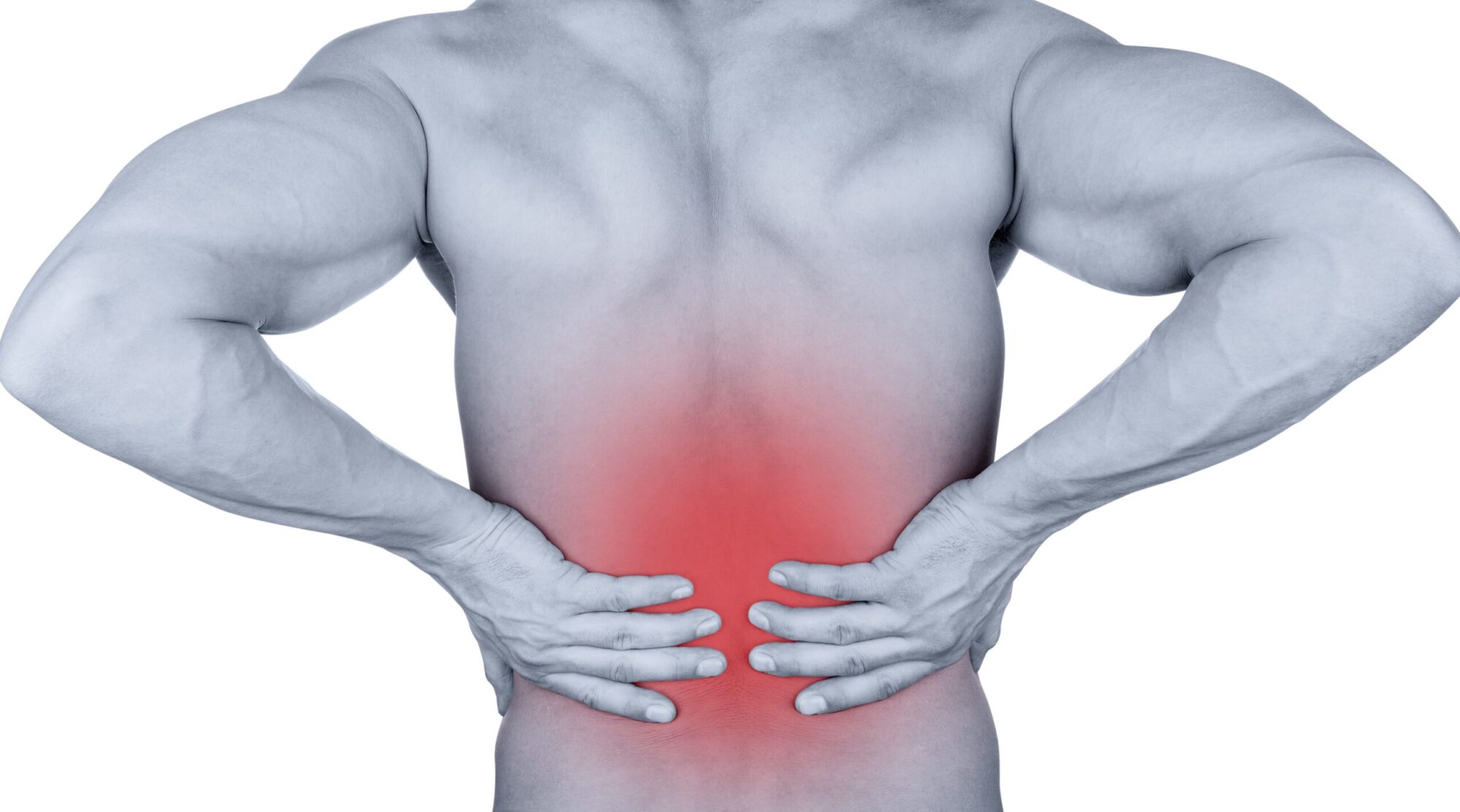
Back pain can be reflected from another area of the body, from the viscera, or originate from structures in the lower back itself.
Are imaging tests the most reliable factor in determining the cause of back pain?
The imaging tests On their own, they rarely help locate the source of symptoms and should primarily be used when the pathophysiology of the pain presents red flags.
A study conducted on the diagnostic validity and reliability of MRI in low back and neck pain concluded the following findings.
Over 70% of people close to the age of 20 years old had a herniated disc in the neck without experiencing pain.
Also in asymptomatic patients (without back pain) underwent MRI and found
Degenerated disc in
• 37% of people aged 20 years old
• 80% of people aged 50 years old
• 96% of people aged 80 years old
Prolapsed disc in
• 30% of people aged 20 years
• 60% of people aged 50 years
• 84% of people aged 80 years old
Many of the lesions presented on an MRI are normal in the context of aging of the body and cannot one-dimensionally reveal the cause of back pain.
Now, the latest scientific data and more specifically the application of biomechanical analysis of pathology allow for a more qualitative diagnosis and evaluation of the cause of back pain symptoms.
Assessment as a key factor in the therapeutic approach
The therapeutic approach must be specialized and requires a thorough evaluation of the problem and the contributing factors that either cause the existing symptoms or contribute to their maintenance.
Identifying all the factors involved is a key part of the entire therapeutic approach aimed at fully addressing the problem.
The evaluation involves a complete examination of the joint structures, muscle elements, and nervous tissue.
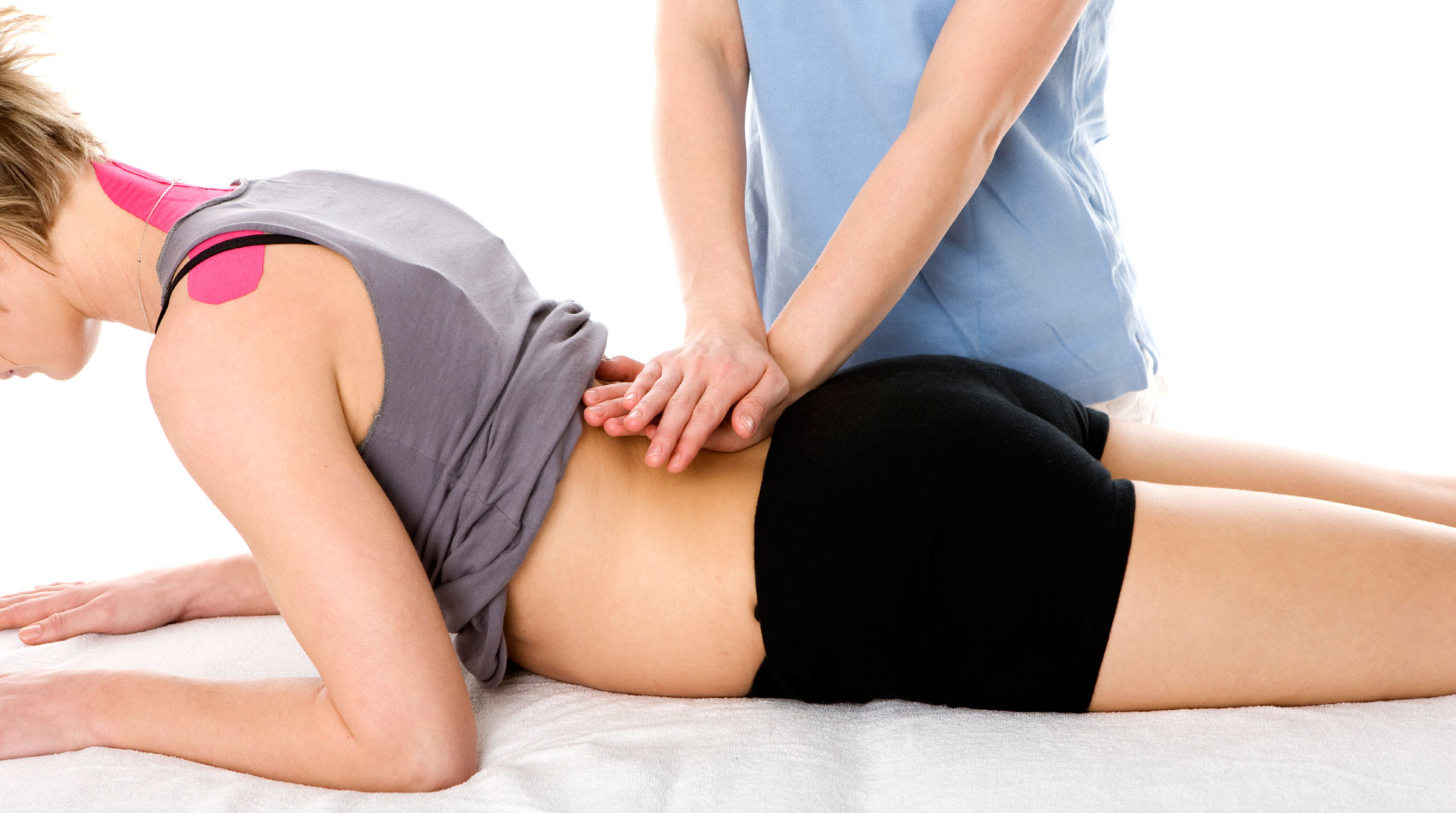
The use of biomechanical assessment of movement and posture of both the affected area and the entire body through clinical examination and movement-gait analysis equipment contributes to the comprehensive clinical identification of the cause of the patient’s problem.
The importance of a comprehensive patient evaluation is emphasized by the fact that many of the clinical features cannot be detected with existing imaging methods.
Back pain and appropriate therapeutic techniques
The truth is that we now have a huge range of techniques for treating back pain in our therapeutic arsenal. Especially for a therapist who does not stop training, the therapeutic mechanisms are more than sufficient for an effective approach.
However, we can indicate that they apply techniques such as:
• Neural tissue mobilization (neurodynamics- mobilization of neural tissue)
• Manual therapy where Techniques are used to normalize the mobility of the area. As we have mentioned, movement plays a major role in the nutrition of the intervertebral disc and must be sufficient in quality and quantity.
• Myoperitoneal mobilization to restore adjacent muscle function (muscle spasms, trigger points, inelastic – weak muscles, muscle spasms).
• Motor control – where retraining techniques of motor control are used, especially of the lumbopelvic region.
• Θεραπευτικης ασκησης– πρόκειται για εξειδικευμένο πρόγραμμα σωματικής άσκησης με σκοπό την βελτίωση του κινητικού ελλείμματος, της μυοσκελετικής λειτουργιάς αλλά και της γενικής φυσικής κατάστασης. Απευθύνεται σε ανθρώπους που βρίσκονται στο τελικό στάδιο της αποκατάστασης, με σκοπό την διατήρηση της λειτουργικότητας του θεραπευτικού αποτελέσματος
Επίσης εξέχοντα ρόλο κατέχει η καθοδήγηση από τον εξειδικευμένο θεραπευτή σχετικά με την ergonomics and adaptation to daily activities.
Can immobility be an effective way to cure back pain?
OR immobilization and confinement of the patient to bed is outdated therapeutic approach and there are few cases where it is deemed necessary.
In our article Back Pain – Overprotection May Not Help Ultimately Harvard confirms the above.
OR Recurrent back pain is due in most cases to failure to identify the underlying factors that cause it.
Consult a qualified doctor and therapist.
They can keep you active and productive!
Michalopoulos Th. Christos
Physiotherapist BSc, MT IMTA

