
Can coronavirus cause stroke? A look at current studies

Since the start of the coronavirus pandemic in early 2020, there have been reports of patients with coronavirus suffering from stroke. The Stroke Association, healthcare professionals, and researchers in the UK are continuing to study coronavirus and stroke, and provide treatment and care for people who have had a stroke.
Research is beginning to reveal which patients with coronavirus are more likely to suffer a stroke. This is important because, if confirmed in larger studies, it could guide how these patients are treated. It includes coronavirus patients who:
- They have a health condition that affects their heart and blood vessels, such as high blood pressure, diabetes, and heart disease.
- They have severe symptoms of coronavirus. Coronavirus can cause a stroke about nine days after someone starts showing symptoms, and in people who are still experiencing symptoms at that time.
- He is of Asian ethnicity.
These research studies have also found that compared to stroke patients without the virus, coronavirus patients who had a stroke:
- They were on average six years younger. But in general, older coronavirus patients were more likely to have a stroke than younger people with the same disease.
- They have more serious effects of stroke.
At this time, we do not know:
- How much can coronavirus increase the risk of stroke and in which groups of patients.
- How coronavirus may increase someone’s chance of having a stroke. It’s important to find the best way to treat coronavirus patients who may be at high risk of stroke.
Researchers have suggested some ways in which the coronavirus could increase the risk of stroke in some people. It is possible that the virus may cause blood clotting. There are treatments that can stop blood clotting and dissolve blood clots to stop the damage to the brain caused by the stroke.
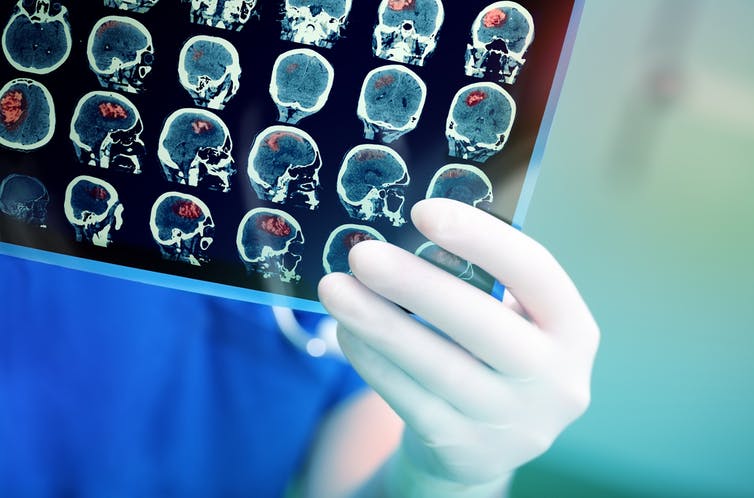
More research is urgently needed to understand whether these treatments could help coronavirus patients at risk of stroke and who would benefit from them.
The studies will create a more detailed picture of who has a stroke after coronavirus infection, what puts them at risk, and how to guide new treatment to reduce the risk of stroke in coronavirus patients.
This highlights the importance of research to understand how coronavirus may increase the risk of stroke, particularly stroke caused by a blood clot, which is the most common type.

Unfortunately, in March, during the first lockdown, there was a drop in the number of people admitted to hospital with stroke symptoms in the UK. This means that some people may not have received the treatment they needed, as strokes are still happening.
It is important to know the common signs of a stroke, which include changes in the face (numbness, paresis), arm movement (inability to control the upper limb), speech disorders (slurred speech), and to act quickly by calling emergency services.
Taking the person to the emergency room early can prevent the spread of brain damage that a stroke can cause, and give them the best chance to rebuild their life after the stroke.
References: Stroke Association UK
Evangelia Manta
Physiotherapist PT, MT, Bobath (IBITA) instructor

