
Cervical – A pathology with many etiologies
Cervical syndrome is a concept that includes a series of painful symptoms that affect the quality of life of patients.
It is a situation that the vast majority of people will experience at least for a short period in their lives.
The modern lifestyle exacerbates both the frequency and intensity of symptoms.
But what are the possible causes of cervical pain?
1. Degeneration of tissues and anatomical structures
This is the most “normal” reason for the existence of a neck problem.
Time wears out everything.
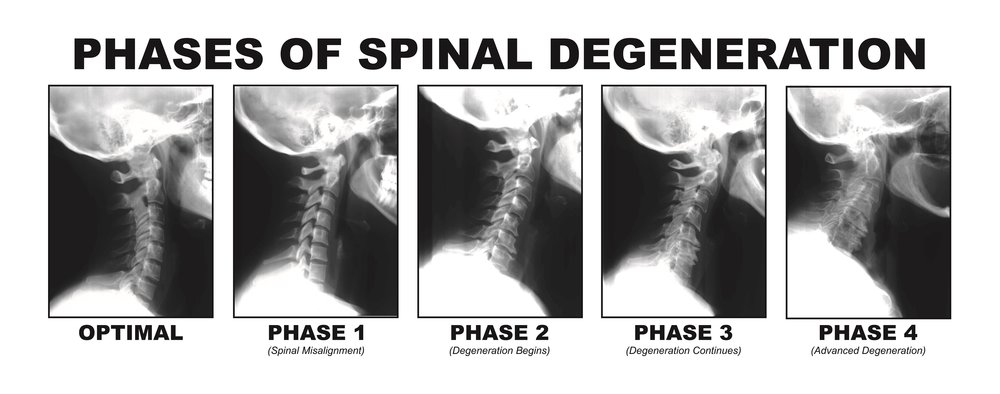
Let alone the anatomical structures of such a widely used joint as the neck.
The constant support, protection and movement of such a valuable organic entity as the head will certainly bring about degenerative changes in the soft, contractile molecules and bone structures of the area.
The structure with the most problems in the cervical spine is clearly the spine and specifically the intervertebral disc.
However, many times the degeneration has a different etiology and this is observed in metabolic diseases such as osteoporosis or rheumatoid arthritis.
2.Poor sleeping posture
Sleep is something we “experience” 365 days a year and for at least 5-7 hours a day.
Therefore, it is completely normal for sleep to play a crucial role in the cervical spine.
There are many times when we sleep without pain and wake up with discomfort in our neck, shoulders, or even a headache.
The position of the body and head during sleep, the number and type of pillows, as well as the hardness of the mattress are crucial for good neck health.

Of course, the neck, like all anatomical structures, has a huge tolerance for pain and “abuse”, and so we may not realize our incorrect sleeping position for many years.
However, when a tissue reaches its tolerance limits, discomfort, painful symptoms, or neurological signs such as numbness begin.
If the neck begins to show us signs of discomfort that we ignore, we will soon reach chronic neck syndrome.
3.Neck pain without a clear cause
Sometimes neck pain cannot be attributed to a clear cause.
Neck pain in these cases is usually caused by a microtrauma to a muscle-tendon complex or a muscle spasm, so the pain and discomfort soon subside.
Of course, it is a good idea to investigate what movement may have caused the injury, in order to avoid something similar in the future.
4.Anxiety and Stress
Unfortunately, the modern lifestyle will have already made you recognize the above 2 factors as existing elements in your everyday life.
Stress causes a great distraction that leaves us no room to observe ourselves and correct incorrect ergonomic postures. It also causes us to have restless sleep, so we fall into reason no. 2 mentioned above.
Stress, on the other hand, causes intense muscle contraction without any real cause.

The image of a stressed person is characteristic as they will have their shoulders constantly raised for no apparent reason.
This constant muscle contraction causes reduced blood circulation, muscle injuries, and muscle fatigue in the neck, which translates into excessive strain on the spine to hold the head in place.
This characteristic position of raised shoulders is due to a primal survival instinct. The brain perceives stress as a dangerous situation and activates all the muscle groups of the neck to protect the head in case of a blow.
5.Text neck – A modern syndrome
The image of people (even small children) with their heads bowed in front of a mobile screen is probably familiar to all of us.
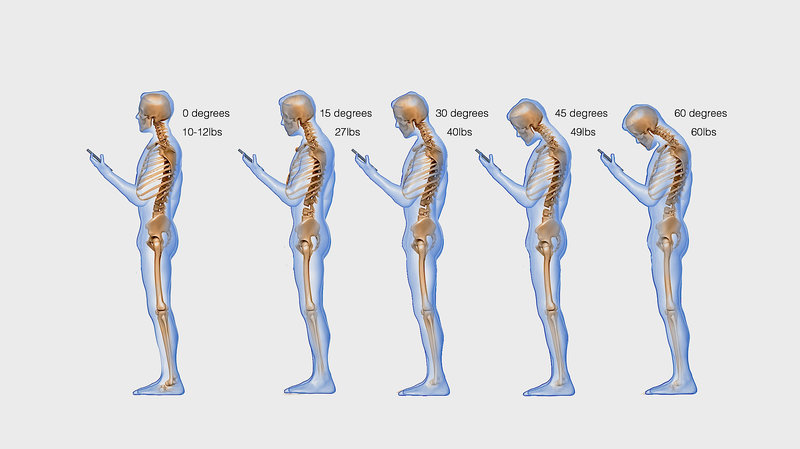
Thanks to this “habit”, cervical cancer tends to become a universal scourge without age or other limits.
Typically, we should imagine that a head tilted forward 30 degrees weighs approximately as much as a ripe watermelon.
What neck would withstand such daily and long-term “abuse”?
6.Brachial plexus injury
The American Society of Upper Extremity Surgery defines the brachial plexus as the nerve complex that connects the cervical spine to the upper extremities.

Therefore, an injury (e.g. in a car accident) to the brachial plexus can create a set of pathologies that we would summarize in the word cervical.
7.Whiplash or whiplash injury
Whiplash describes the injury to the neck caused by the sudden forward-backward movement of the head, e.g. in a car accident where we are hit by a car following us while stopped.
This injury causes an overstretching of anatomical structures, which do not have time to react (mainly small soft tissues around the neck).
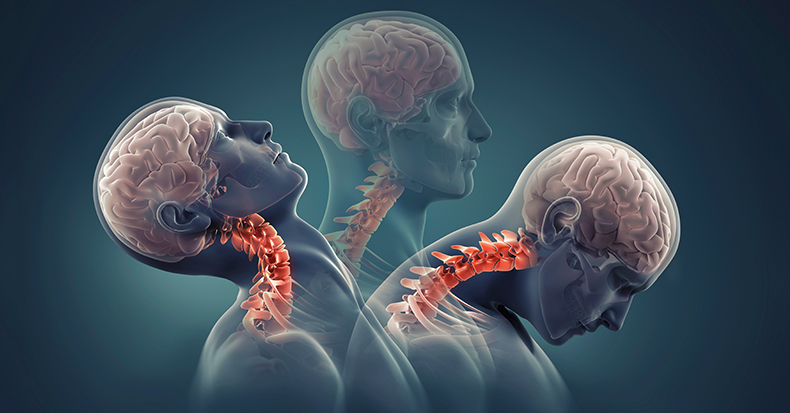
This causes instability in the cervical region, which may not initially cause any symptoms, but may cause cervical problems many years later.
This is why we always say that taking a detailed history at the first appointment is important. A therapist should always ask a patient with a neck injury if there was any previous accident and how it happened, even if it took place many years ago.
8. Cervical radiculitis – irritation of nerve tissue
Cervical radiculitis is what any term ending in ‘‘-itis’’ describes.
It is an inflammatory process from nerve irritation and includes numbness, tingling, and burning pain along the upper limb, depending on the nerve root that has been affected.
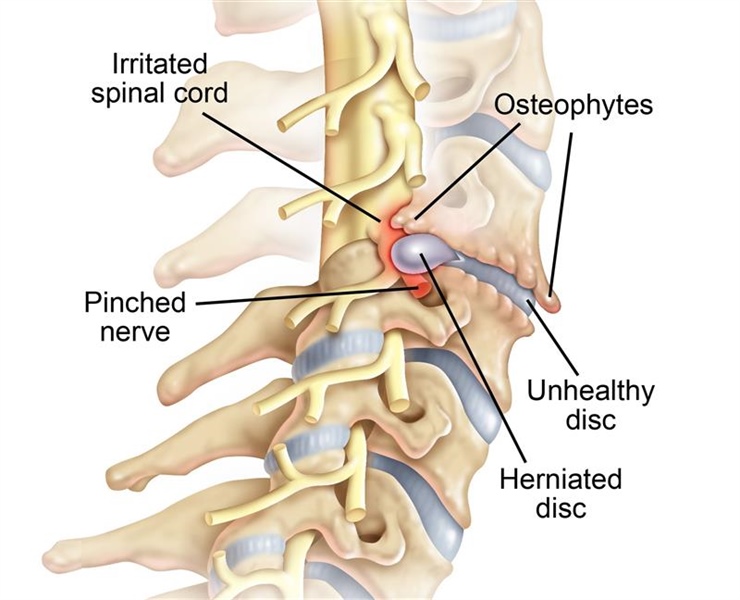
The 2 main etiologies are spondylolisthesis/spondylolysis and intervertebral disc herniation.
In both of these cases, pressure on the nerve can cause both local symptoms in the neck and distant neurological signs throughout the course of the upper limb.
9.Myofascial pain
Many times, even after strenuous therapeutic efforts in the cervical region, the cervical pain remains or the symptoms simply decrease.
Here we should know that modern physical therapy perceives the body as a biokinetic chain.
The fascia that surrounds all anatomical structures is a basic means of communication even between remote areas.
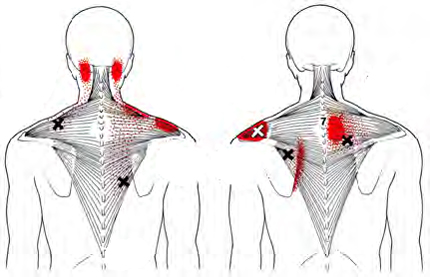
There are many times when an active myofascial trigger point in the thoracic region will result in a cervical syndrome that is not treated.
An experienced therapist should check and treat such potential collateral causes in the cervical spine.
10.Industrial engineering and ergonomics
The fascia we mentioned above is one way of connecting the neck to distant points of the biokinetic chain. The other way is biomechanics.
The study of biomechanics is the latest scientific advancement in the field of physical therapy.
All movements are interrelated, all joints theoretically affect each other, and all of this is summed up in one term, ergonomics.

Therefore, a neck strain could even be due to an incorrect position of the feet, chronic pain in the lumbar spine or incorrect cooperation of the shoulder blades when lifting the upper limb.
Overall biomechanics control is now an integral part of the evaluation and treatment process.
Bonus +1< – Rare reasons
There is also the small possibility that neck pain may have a much more serious cause than we think.
In the following article Neck Stiffness – When Should I Worry, you will see the main reasons why neck stiffness can be dangerous, even life-threatening.
Morochliadis Stefanos
Physiotherapist Bsc, MT,RT, Formthotics specialist

