
What are compression stockings?
Some socks can do more than just keep your feet warm or dry.
Compression stockings can act preventively or therapeutically in a range of activities or medical conditions.
Compression stockings, or graduated compression stockings, are special stockings that can exert a calculated pressure, helping the venous system. Of course, this helps both blood circulation and heart function.
Compression socks – 3 basic styles
Compression socks are available in 3 basic types, which it is good to know before purchasing them.
First of all, let us clarify that for certain types of compression stockings it is necessary to consult your doctor. Especially for class 3 stockings, you should definitely consult with a healthcare professional.

There are 3 types of compression socks
• Graduated compression stockings: In this type of stocking, the compression is greater peripherally and decreases as we move towards the torso. They are the appropriate stockings for preventing or treating venous problems.
• Anti-embolic stockings: This type of stocking is also of graduated compression but is used in people who remain immobile and prevent the possibility of venous thrombus formation.
• Prevention and support socks: These compression socks are the simplest graduated pressure socks, with a low degree of compression, such that they simply prevent heavy and tired legs in people who stand or travel a lot. They are also ideal for athletes, runners or people who work in an office for long hours.
When should we wear graduated compression stockings?
Compression stockings are extremely useful for a number of conditions such as:
• Chronic venous insufficiency
• Deep vein thrombosis
• Varicose veins
• Arachnoid veins
• Pregnancy
• “Economy class syndrome” (related to leg inertia on long-haul flights).
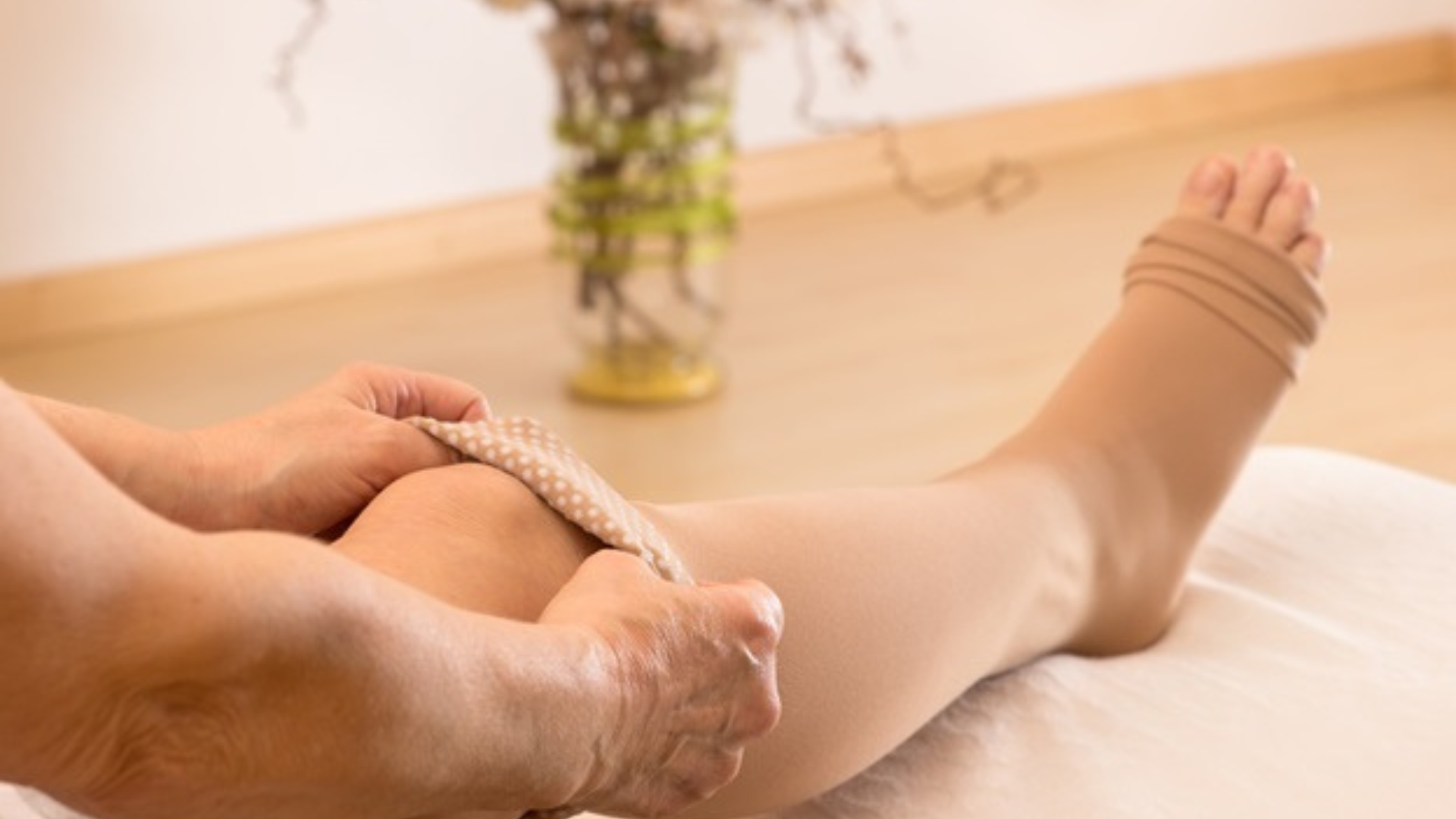
The action of compression stockings has the following beneficial effects:
• Stimulation of venous circulation
• Reduction of swelling
• Management of orthostatic hypotension
• Prevention of venous stasis in the lower extremities and varicose veins
• Prevention of venous ulcers and thrombosis
• Relaxed legs
• Reduction of pain due to venous problems
• Reversal of venous hypertension
Who benefits from daily use of compression stockings?
• Athletes: Athletes have a huge advantage by using compression stockings, as blood supply and oxygen delivery to the tissues that need it are greatly improved. Recovery time is also significantly faster.
• People with a sedentary lifestyle: People in sedentary jobs and in wheelchairs enjoy much more rested legs and avoid the swelling caused by long hours of muscular inactivity.
• Pregnancy: Specialized compression stockings for women at any stage of pregnancy are particularly helpful. They significantly reduce swelling, provide a sense of rest, and act as a preventative against the formation of varicose veins.
• Frequent flyers: People who are regularly on long flights are more likely to develop venous insufficiency over time due to pressure differences. Compression stockings are the way to prevent venous problems.
• People who work standing: People who have many hours of standing are required to wear compression stockings. The difference in both daily experience and long-term health issues is impressive. Restful healthy legs and a strong venous system are the benefits of using the appropriate class 1 prevention stocking.
Compression socks – Tips for proper use
How will I wear them?
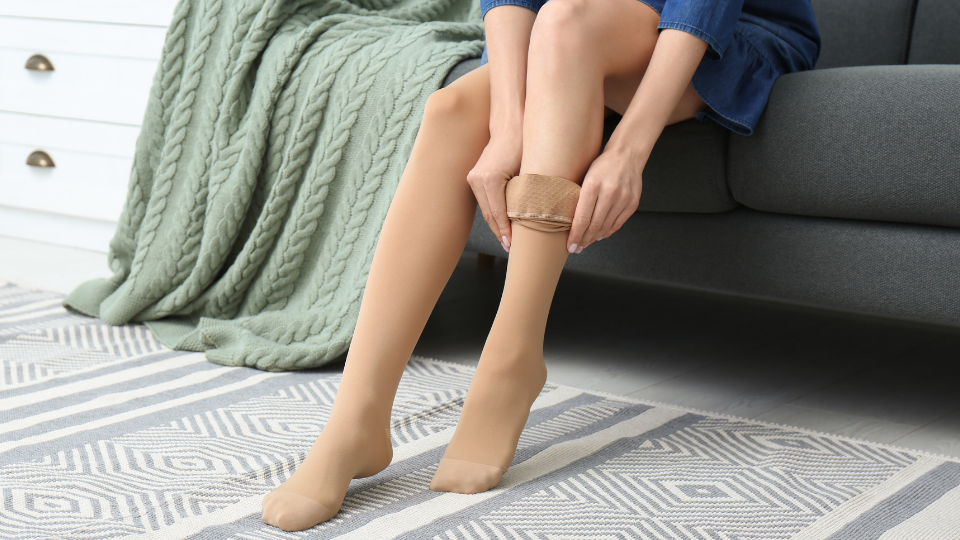
The compression sock is used like any other sock, by first placing the toes and simply rolling the compression garment upwards.
If the compression is too tight or your skin is sticky and you have difficulty applying it, apply a small amount of talcum powder. Stretch the sock well so that the compression is applied evenly along the entire length.
The sock should be tight and not fall off, but under no circumstances should it hurt. In case of pain, contact your doctor or the purchasing company for clarification.
How long do we wear them?
Compression stockings are worn either all day or for the duration of the activity you are using them for. You should definitely remove them while sleeping and put them back on as soon as you get out of bed.
Always follow the instructions of the healthcare professional who recommended them to you.
The ideal is to have 2-3 pairs so that when you wear one, you have the rest to wash.
*extra tip: Wash the socks by hand, with special neutral soap, without fabric softener.
Lay the socks horizontally, away from the sun and strictly avoid drying on radiators, stoves and other heating devices.
This will extend the lifespan of the sock to a maximum of 1-1.5 years.
When should I avoid wearing compression stockings?
The application of graduated compression stockings should be done with caution when the following are present:
• Skin infections
• Immobility (bed rest)
• Skin spots
• Sensitivity of the lower extremity
• Skin infections
Caution: It is necessary to consult a specialist when using graduated compression stockings above 20mmHg.
Final conclusion
Compression socks are really useful for all people for different reasons.
Both as a preventive measure and as a way to medically treat venous problems, graduated compression stockings are the ideal solution for rested, healthy and swollen legs.
Athletes can also benefit from the venous support of compression garments, enjoying better performance, less swelling, and faster recovery.

