
Manual Lymphatic Drainage (MLD) is a sequence of techniques applied to the skin and aimed at optimizing the function of the lymphatic system. They are rhythmic sequences of movements that can be applied to all areas of the body and are adapted depending on whether we are dealing with healthy tissues or a pathological condition.
Its effect is on a wide range of tissues in many different ways. It was first applied by Emil Vodder in the first half of the 20th century where the first techniques were developed, which after being adapted and evolved continue to have excellent therapeutic results to this day.
In which cases can Manual Lymphatic Drainage be applied?
The scope of the techniques is vast. They can be applied to people who have severe edema such as lymphedema, as part of Comprehensive Decongestant Therapy, but also in cases of milder edema such as those due to Venous Insufficiency.
At the same time, it has excellent results in cases of edema due to medication such as cortisone or chemotherapy, as well as edema due to specific conditions such as pregnancy, prolonged standing and excessive fatigue.

In special circumstances, such as edema resulting from serious pathological conditions (various systemic diseases), it requires great experience on the part of the therapist and, of course, close collaboration with the treating physician.
Finally, they have a wide scope of action in cases of injuries and operations. They help the faster absorption of postoperative edema, accelerate healing and improve the quality of rehabilitation. They can be the best assistant to the plastic surgeon for a better aesthetic result and of course they help the functioning of the human body.
The application of the techniques is only for cases where there is edema:
Edema is the main target of Manual Lymphatic Drainage Techniques. But their action does not stop there. The techniques are rhythmic, gentle, sometimes more intense but always painless.
The way they are applied also has a neurophysiological effect on the human body by activating the parasympathetic nervous system. This means that it creates a feeling of relaxation especially for people who are under intense mental tension. Some people may fall asleep during the treatment.
Can they have a positive effect on beauty?
Activating the lymphatic system improves lymphatic flow and consequently the removal of all toxic substances, dead cells, pathogenic microorganisms and other unnecessary components from the space between cells, while reducing edema.
The result is that the cells function and metabolize better, and therefore are healthier. A healthy body always has a more beautiful appearance!

We often hear the term Lymphatic Massage, how is it different?
Manual Lymphatic Drainage is essentially the medical, scientific version.
It requires knowledge of anatomy, physiology, pathology and pathophysiology to be able to effectively treat edema. It is painless, does not cause bruising and has minimal potential side effects.
When should the techniques not be applied?
There are specific, clear contraindications for the techniques:
- When there is severe systemic edema, such as in cases of severe heart or kidney failure. That is why it is important, when we suspect a serious condition, to refer our patient for medical evaluation.
- When there is an active soft tissue infection. We will hear it with the medical terms “erysipelas” and “cellulitis”. The latter should not be confused with the orange peel form! It is a serious bacterial infection and requires medical treatment.
- When there is acute thrombophlebitis or suspicion of it!
When there is an active soft tissue infection. We will hear it with the medical terms “erysipelas” and “cellulitis”. The latter should not be confused with the orange peel form! It is a serious bacterial infection and requires medical treatment.
How many treatments are required to see results?
The number of sessions is not specific but depends on the condition, the accompanying pathologies, the patient’s age and the possibility of solving the problem. If we are dealing with lymphedema then we must follow the principles of Comprehensive Decongestant Therapy which can include from 2-3 to 12-15 consecutive treatments depending on the volume and hardness of the edema.
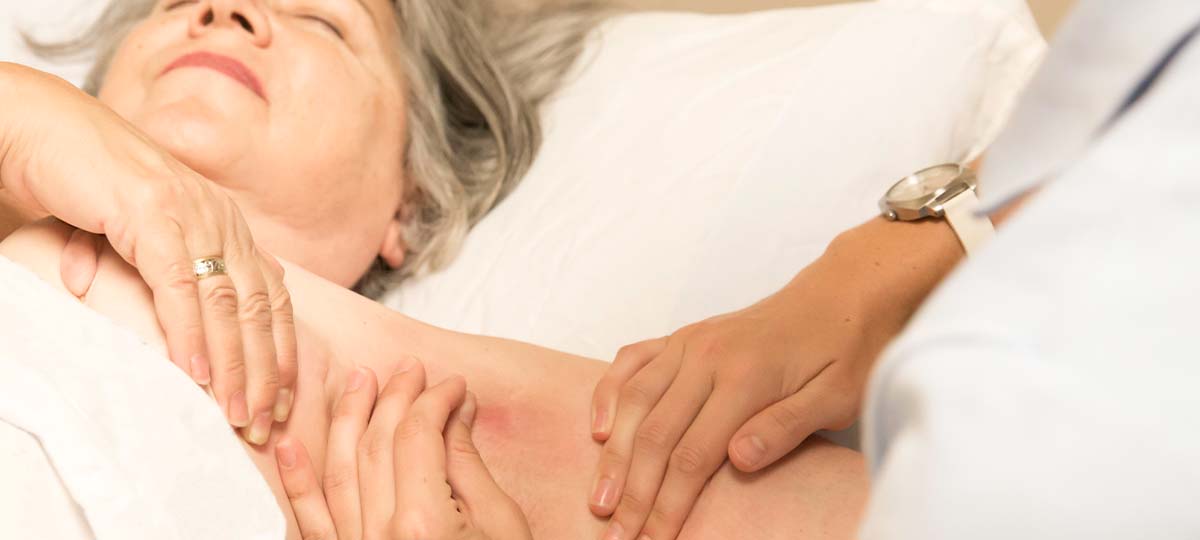
When we have mild edema due to fatigue or medication, we recommend applying 3-4 consecutive treatments to give a “boost” to the lymphatic system. Depending on the effectiveness of this first intensive phase, we then follow with a maintenance treatment every 7, 14 or 30 days.
How can I find the right therapist?
Manual Lymphatic Drainage is a postgraduate specialization in physical therapy. A physical therapist has all the theoretical background and practical skills to apply these techniques, but they must have followed the appropriate training.
The APLESO Association, which is the scientific group of the Panhellenic Association of Physiotherapists concerned with the management of edema, maintains a register of certified therapists.
In conclusion:
Manual Lymphatic Drainage is an excellent treatment that can be applied either as an effective treatment for edema or as a tool for wellness and beauty. It requires knowledge and experience on the part of the therapist and offers quality of life to the person!
Triantafyllou Euripides
Physiotherapist MSc
Certified MLD/CDT Seminar Presenter (Vodder)
Compression Garment Evaluation Specialist

