
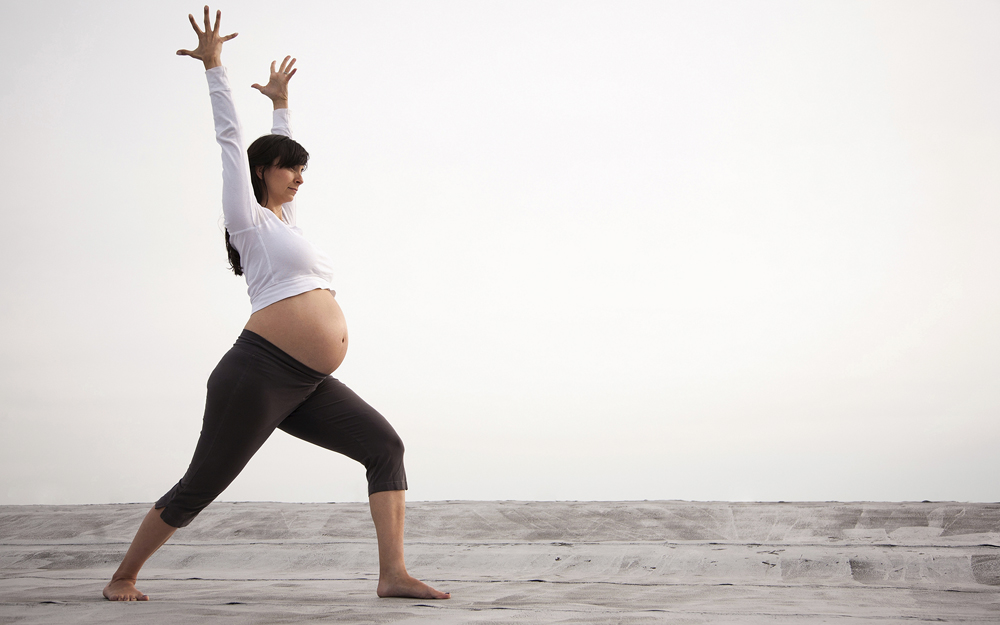
Pregnancy and physical changes
Pregnancy begins an important and transformative journey for a woman. It is a phase of transition and preparation to connect with the process of motherhood and her baby.
During this period, many physical and emotional changes occur.

The mobility of joints and ligaments increases under the influence of hormones (relaxin). Increased mobility often leads to pain in the knees, hips and lower back.
50-80% of pregnant women experience some form of back pain during pregnancy.
As pregnancy progresses, the center of gravity shifts, lumbar lordosis increases, and the biomechanics of walking changes, resulting in pregnant women having difficulty maintaining their balance, while there are also cases of falls.
Why should I exercise during pregnancy?
When the body is in good physical condition, the changes brought about by pregnancy become more harmonious.
- Increased energy
- Improves energy expenditure and drowsiness
- Improving sleep quality
- Improving muscular and cardiorespiratory endurance
- Gastrointestinal function is facilitated
- Boosts the immune system
- Improves the efficiency of the lymphatic system and prevents edema
- Strengthens the perineal muscles that help during childbirth

Pelvic floor exercises are very important both during pregnancy and postpartum to prevent and treat incontinence. They also contribute dramatically to avoiding uterine prolapse.
They also play an important role during childbirth. They facilitate expulsion by improving muscle control.
Did you know that women who exercise during pregnancy are 49% less likely to develop gestational diabetes, 79% less likely to have gestational hypertension, and 39% less likely to have preterm labor?
Exercise reduces the risk of developing preeclampsia.
Exercise during pregnancy helps the fetus turn and descend, thus increasing the chances of a normal birth.
Through special exercises, the best position of the fetus is promoted and/or they contribute to turning a baby that is “not in the correct position.”
When can I start exercising?
After the first 12 weeks of pregnancy and always with the doctor’s consent.
What kind of exercise is appropriate during pregnancy?
30-60 min of moderate intensity exercise (up to 140 beats per minute) 3-4 times per week.
During exercise, hyperthermia should be avoided for this reason:
- We consume fluids before and during exercise
- Avoid exercising in environments with a lot of heat and humidity
If you already suffer from gestational diabetes, your blood glucose should be monitored frequently, you should eat frequent, small meals, and get plenty of rest.
When should I stop exercising during pregnancy?
Contraindications/discontinuation of exercise
- Vaginal bleeding
- Regular and painful uterine contractions
- Severe shortness of breath
- Dizziness
- Diagnosed heart disease
- Placenta previa
- Twin or multiple pregnancy
- History of miscarriages
Do I need guidance from a pregnancy exercise expert?
It is extremely important that the exercise is done with a specialized therapist and in controlled conditions.
Exercise for pregnant women is a special category of exercise and the instructor must be very well trained and certified.
The exercises used are mostly based on the principles of yoga and pilates.
These are low-intensity exercises that combine and harmonize movement with breathing.

Advantages:
- Oxytocin increases, a hormone essential for pregnancy and childbirth, but also after birth, it strengthens the bond with the baby.
- Concentration on breathing cultivates mental calm and reduces muscle tension, resulting in better oxygenation of the mother and, by extension, the fetus.
- The expectant mother becomes familiar with diaphragmatic breathing, which is an effective tool for managing the pain and anxiety of childbirth.
- Elimination of anxiety, stress and fatigue.
- The expectant mother feels peaceful and relaxed and can better experience the miracle of life and creation and face motherhood and its challenges with courage.
- Balance and posture improve.
- With the help of appropriate exercises, the best implantation of the fetus is achieved.
- It makes it easier to maintain weight at controlled levels.
- It strengthens and exercises the spine and helps with back and waist pain.
Exercise for pregnant women in Biofeedback
At Biofeedback, exercise for pregnant women is done in special groups or personal. The physiotherapist who will take care of you is specialized and certified in therapeutic exercise, a yoga instructor with all accredited levels, a clinical pilates instructor and has specialized certification in exercise for pregnant women.
She also has vast experience in the area of exercise for pregnant women and the sessions are conducted with absolute safety and guidance.

Call us at 2104829303 and talk to Ms. Sisiou Elena (who is also the author of our article) and immediately answer all your possible questions! Help your body in this very special period of your life.
Sisiou Elena
Physiotherapist
Clinical pilates inst., Yoga Inst., Pregnant Exercise Expert

