
Erysipelas and Treatment – 5 Key Points
– Using antibiotics. Because erysipelas is caused by streptococcus, penicillin is considered the ideal solution. Consult your doctor to recommend an antibiotic that contains penicillin.

To combat erysipelas, we need a strong antibiotic, so one that has been produced recently, considering that antibiotics lose 10% of their power every year.*
– Fluid intake is essential. The patient should drink plenty of water and if unable to, intravenous administration may be necessary.

– Use of analgesics can help reduce pain/fever. This also reduces the need for water (for every 1 degree increase in fever, an additional liter of water is required).
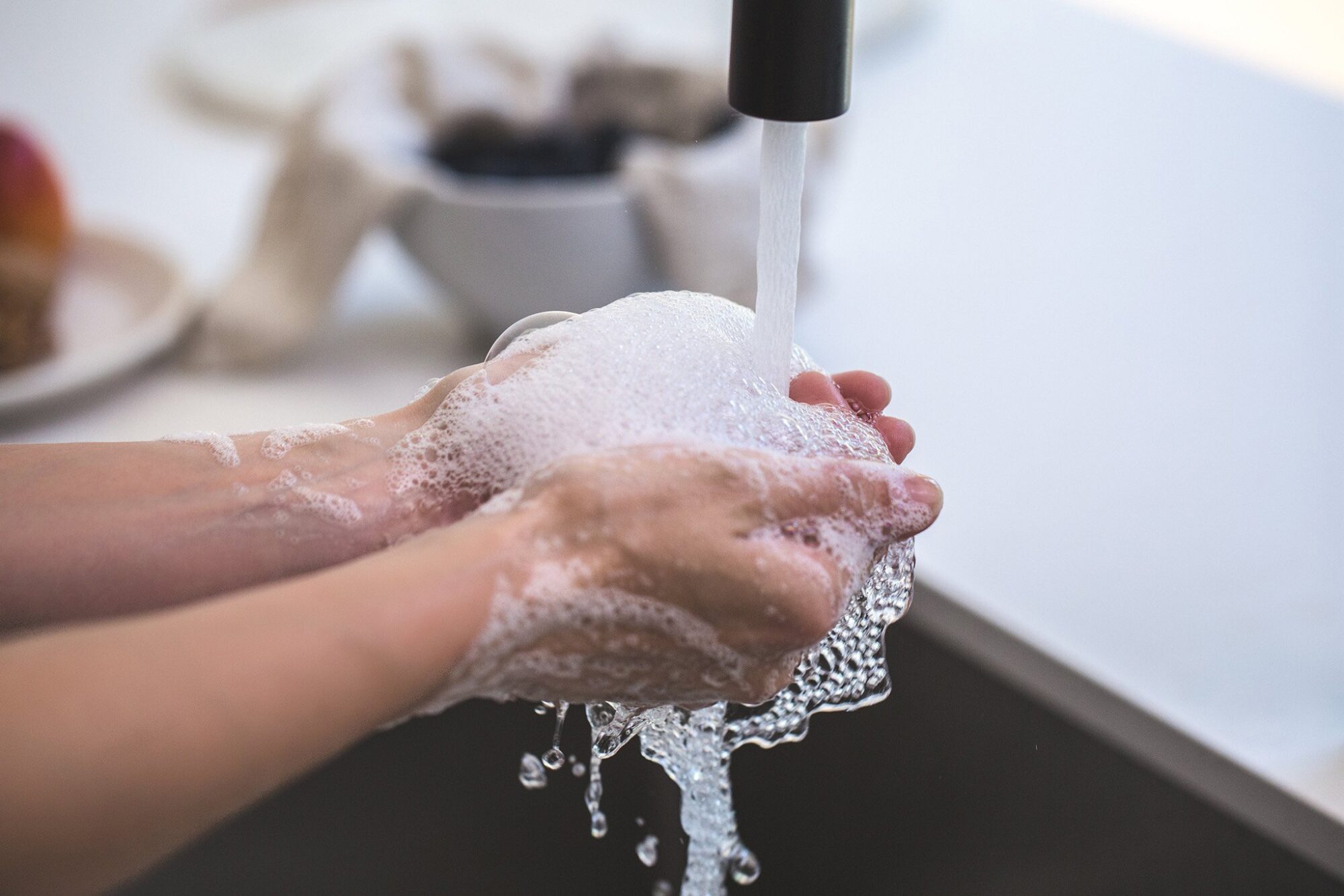
– Cleaning-“disinfecting” the skin is also important, taking into account that skin antiseptics (such as alcohol, etc.) can cause local irritation. An ideal solution can be considered the local use of white cheese 1-2 times a day for about 5 days, since they have antibacterial properties and a refreshing effect.
– Rest is extremely important.
3 Common Mistakes Made When Using Antibiotics and Should Be Avoided:
1. Antibiotics
Broad-spectrum antibiotics are often used. These can also harm the normal microorganisms in our body, but they do not have the same effect against streptococcus as penicillin.
2. Drug dose
A low dose is often prescribed as opposed to the strong one needed to combat erysipelas.
3. Duration of treatment
The most important mistake that is made is that the treatment is stopped after 5-7 days, while normally it should continue for at least 2-3 weeks (there are slight differences in the duration of antibiotic treatment between international organizations such as the European or International Lymphology Society, which recommend 3 or 2 weeks respectively).
The development of erysipelas usually occurs rapidly – Act immediately
Erysipelas takes from minutes to a few hours to manifest.
If something occurs, such as an injury with an open wound, that is thought to be likely to lead to infection, then clean and disinfect the area immediately and continue care systematically until the wound is completely closed.
A minor injury such as a cut in the kitchen or a scratch from plants in the garden can be enough to create complications.
If the injury occurs away from home, such as from a stone on the beach or a tree branch in the open air, then use antibiotic cream immediately, locally on the area of the injury, until you get home, where you can treat the wound normally.
If you experience frequent attacks of erysipelas and are aware of the symptoms at the onset, then you can take antibiotics in advance to prevent their progression.
However, in patients with lymphedema, it has been clinically shown that systematic care of lymphedema with Comprehensive Decongestant Therapy dramatically reduces or even completely stops erysipelas attacks.
Triantafyllou Euripides
Physiotherapist MSc, MLD Instructor

