
What is osteoporosis?
Osteoporosis is a condition characterized by a significant decrease in bone density. The result is weak bones with reduced resistance to loads and stresses.
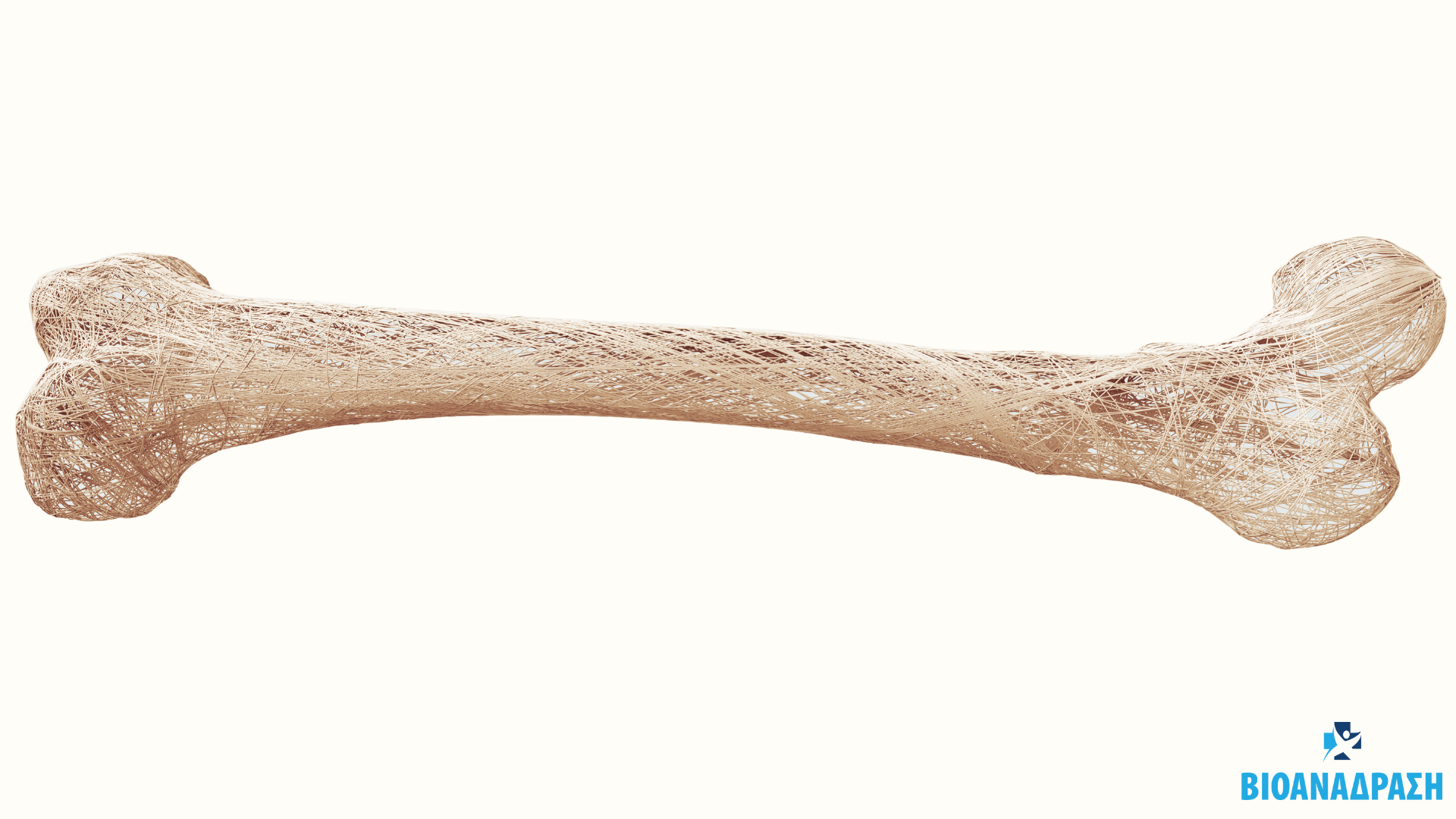
Osteoporosis literally turns bone into spongy, brittle, and porous tissue.
The bone thus loses its structural strength and elasticity and is prone to fractures.

When bone density is reduced but to a small extent, then we have a pre-stage of osteoporosis that we call osteopenia.
At this stage, the individual still has significant chances of preventing advanced osteoporosis if they follow a proper diet and exercise.
The anatomical areas with the highest rate of osteoporotic fractures are the vertebrae, hips, ribs and wrists.
Of course, osteoporotic fractures can occur literally in any bone that receives sudden or excessive stress.
Who is at higher risk of developing osteoporosis?
The 22 categories of people with a higher likelihood of developing osteoporosis are as follows:
- The female gender
- The Caucasian and Asian races
- Small and/or very thin people
- People with a family history of osteoporosis accompanied by fractures
- People with stress fractures in adulthood
- Smokers
- Those who consume large amounts of alcohol
- People who do not exercise regularly
- People with a diet low in calcium

- People with poor nutrition and low levels of health, especially people with chronic inflammation and urinary problems
- People with reduced absorption of nutrients due to a disease in the gastrointestinal system
- Women with low estrogen levels, usually postmenopausal women
- Men with low testosterone levels
- People undergoing repeated chemotherapy or women whose chemotherapy has caused premature menopause.
- Women with amenorrhea, i.e. young women with low estrogen in whom the menstrual cycle is very infrequent or has stopped due to pathological reasons or extremely strenuous exercise and/or taking anabolic drugs. Also women whose menstrual cycle has stopped due to extremely low fat levels, e.g. in anorexia nervosa
- People with chronic inflammation due to rheumatological diseases such as rheumatoid arthritis.
- People in prolonged immobility such as patients after a stroke or any other cause of limitation of basic movements such as walking.
- People with Hyperthyroidism, a condition where the body produces excessively high levels of thyroid hormone
- Hyperparathyroidism, a pathological condition where we have excessive production of parathyroid hormone. Parathyroid hormone is involved in maintaining the correct levels of calcium in the blood, but also by drawing calcium from the bones. Obviously, a disorder in this hormone will cause an increase in calcium in the blood and a decrease in the bones.
- Reduced levels of vitamin D result in a reduced ability to absorb calcium from food. Reduced levels of vitamin D are usually found in people with poor diets or in people who do not get enough sun exposure.
- Some drug regimens can cause osteoporosis. For example, long-term use of heparin or corticosteroids can lead to osteopenia or osteoporosis.
- Rarer pathological conditions such as osteoporosis-pseudoglioma syndrome, Marfan syndrome and Ehlers-Danlos syndrome.
Morochliadis Stefanos
Physiotherapist PT,MT,RFL, Formthotics specialist

